

Introduction
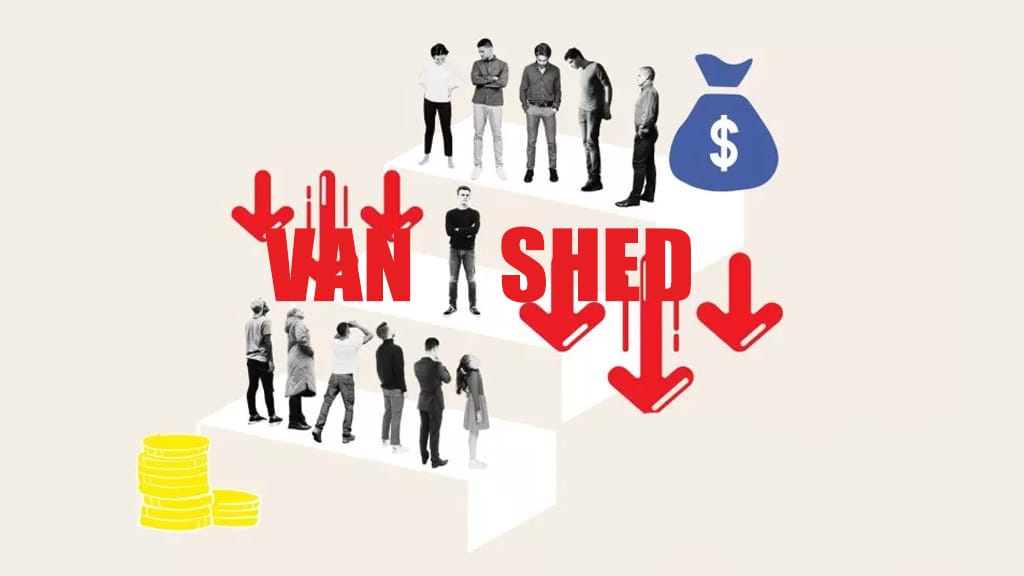
In the quest for increased efficiency, speed, and innovation, many companies have chosen to streamline their operations by cutting layers of middle management. While these flatter organisational structures may seem beneficial at first glance, often resulting in cost savings and streamlined decision-making, they also bring unforeseen challenges, particularly affecting senior leadership and their role in organisational control systems.
Middle managers traditionally serve as the bridge between strategic objectives and operational execution, and their absence can lead to both challenges and opportunities for maintaining effective control systems within organisations.
The Role of Middle Management in Control Systems
Middle managers play a crucial role in organisational control systems by acting as intermediaries between senior leaders and frontline employees. They are responsible for implementing strategic directives, monitoring performance, and ensuring that operations align with the company’s objectives. Middle managers also facilitate communication across various departments, ensuring that information flows smoothly and that feedback from the ground is relayed to higher levels.
The idea behind flattening organisational structures is often well-founded; it aims to cut costs, quicken decision-making, and remove bureaucratic barriers. When implemented with care, these changes can indeed lead to substantial improvements. However, eliminating middle management without providing sufficient support can overwhelm executives and leave employees feeling unsupported.
A study by Korn Ferry, titled the 2025 Workforce Survey, reveals that 41% of employees have observed their companies reducing management levels. This reduction forces senior executives to manage more direct reports and take on operational duties that middle managers previously handled, which in turn diminishes the time they can allocate to strategic planning. Nearly half of these senior executives expressed doubts about their ability to fulfil their more strategic roles, a sentiment even more prevalent than among the 40% of CEOs who share these concerns (Korn Ferry, 2025).
Middle managers play a crucial role beyond merely occupying a position within the hierarchy; they function as the organisation’s glue, converting strategic objectives into actionable tasks, ensuring team alignment, and maintaining the cultural fabric of the company. Their absence can lead to confusion and lack of cohesion and direction. According to Korn Ferry’s research, 43% of employees believe their leaders lack alignment with organisational objectives and strategy, and 37% feel a sense of “directionlessness”.
The decline in organisational cohesion also hampers talent development because the most effective leadership growth happens on the job. This involves crafting roles that are manageable so employees can thrive without feeling overwhelmed and designing career paths that help them develop a broad range of skills. However, the absence of middle managers burdens senior executives with additional administrative responsibilities, causing efforts like skill-building, mentorship, and career development for junior staff to often fall by the wayside.
As a result, high-performing individuals who lack guidance and opportunities for advancement are more likely to leave the organisation. In fact, 80% of employees say they will stay with a company if they have trust in their manager. Leaders who are unable to engage and inspire their teams miss out on the chance to drive significant improvements in the company’s financial performance. Korn Ferry’s findings suggest that organisations with highly engaged and motivated employees experience double revenue growth compared to those with less engaged staff. This level of engagement starts with managers who have the time and focus needed to lead effectively (Korn Ferry, 2025).
Factors Influencing the Vanishing Middle Management Trend
In Australia, as in many other countries, this vanishing middle management trend has been observed in both the corporate sector and the public sector. Large corporations, particularly in sectors like finance and technology, have been adopting flatter structures, where team leaders and project managers often take on roles traditionally held by middle managers. The Australian Public Sector has also seen some restructuring efforts to improve efficiency, which can include reducing middle management layers (Australian Public Service Commission, 2022).
Tech companies have always been known for their innovative cultures, often adopting flat structures. In these environments, project-based teams work autonomously, reducing the need for traditional middle management roles. In recent times, however, the trend towards flatter structures has also been impacting more traditional sectors. For example, in the Finance sector, many Australian banks have undergone digital transformations, resulting in less reliance on middle managers for transactional oversight. Instead, there’s a shift towards strategic roles that require managing digital platforms and customer experiences. Automation in the Manufacturing sector and digital platforms in Retail have reduced the need for middle managers to oversee operations and sales processes, as real-time data can be managed and analysed directly by senior management or automated systems (Black, 2024).
Several factors, including those mentioned by Westfall (2024), have influenced this trend of vanishing middle management. They are:
Changing Workforce Dynamics: The increase in remote work, especially accelerated by the COVID-19 pandemic, has changed how teams are managed, sometimes diminishing the role of on-site middle managers. In addition, there is a growing trend to focus on hiring highly skilled professionals who can work autonomously, reducing reliance on middle management for supervision and guidance.
Technological Advancements: Technologies like artificial intelligence (AI) and automation have streamlined many processes, reducing the need for intermediary roles that traditionally managed them. In addition, digital communication platforms such as Slack, Microsoft Teams, and Zoom have improved direct communication across hierarchical levels, diminishing the need for middle managers as communication intermediaries.
Cost-Cutting Measures: Economic pressures and the need to increase profitability can lead organisations to cut costs by eliminating middle management positions. Companies are under constant pressure to reduce costs and improve efficiency. Middle management, often seen as overhead, is a target for cost-cutting measures. By reducing these roles, companies aim to lower payroll expenses and streamline operations. [We will discuss later in the article that this may be a short-sighted move, as it could take senior managers away from strategic decision-making to firefighting].
Challenges Posed by the Vanishing Middle Management
The trend of vanishing middle management in Australia reflects broader global shifts towards more agile, efficient, and technology-driven organisational models. This presents many challenges, some of which are as follows (Dujay, 2023).
Loss of Communication Channels: With the reduction of middle management, organisations may experience a breakdown in communication channels. Middle managers often act as translators of strategy into actionable steps, and their absence can lead to misunderstandings or misalignments between strategic intent and operational execution.
Increased Workload on Senior Leaders: As middle management layers shrink, senior leaders are often burdened with additional responsibilities, including direct oversight of operational tasks. This can detract from their ability to focus on long-term strategic planning and can lead to decision-making bottlenecks.
Decreased Employee Engagement and Morale: Middle managers are pivotal in maintaining employee engagement through direct supervision, mentorship, and support. Their absence can lead to a decrease in morale and productivity, as employees may feel disconnected from the company’s strategic vision and lack the guidance needed for career development.
Risk of Overlooked Operational Details: Without middle managers to oversee day-to-day operations, there is a higher risk of important operational details being overlooked. This can lead to inefficiencies and errors that could have been mitigated with closer oversight.
Opportunities for Improved Control Systems
While the trend towards flatter organisational structures can disrupt traditional control mechanisms, it also offers a chance to rethink and modernise how organisations operate. By focusing on clear communication, investing in leadership across all levels, and utilising technology to bridge gaps, companies can not only sustain but enhance their operational control systems. Balancing these strategies will help organisations navigate the complexities of a reduced middle management structure, ultimately leading to a more dynamic, responsive, and innovative workplace.
For example, the reduction of middle management also presents opportunities for organisations to innovate and improve their management control systems in the following ways:
Empowering Frontline Employees: With fewer layers of management, frontline employees can be empowered to take on more responsibility and make decisions more autonomously. This can lead to increased innovation and faster response times to market changes.
Enhanced Use of Technology: Organisations can leverage technology to compensate for the reduced human oversight by implementing advanced data analytics, artificial intelligence, and automation tools. These technologies can help monitor performance metrics, streamline operations, and provide real-time insights, thereby enhancing organisational control without the need for middle management.
Increasing Agility and Flexibility: A flatter organisational structure can lead to increased agility, allowing companies to adapt more quickly to changes in the market or industry. With fewer bureaucratic hurdles, decision-making processes can become more efficient, fostering an environment where innovation can thrive.
Encouraging Cross-functional Collaboration: The reduction in middle management can encourage more cross-functional collaboration as teams are required to work directly with each other without relying on intermediaries. This can foster a more cohesive organisational culture and enhance the sharing of ideas and best practices across different departments.
Strategies for Maintaining Effective Control Systems
To maintain a competitive edge, companies must reevaluate how leadership is structured and supported. While cutting through bureaucracy is a worthwhile goal, removing those who translate vision into reality can pose significant risks. Therefore, it is important to first diagnose the organisation’s management control systems before making drastic changes. This involves leveraging data to assess workflows, identify pressure points, and determine where leadership might be overwhelmed.
For organisations that may have reduced their middle management layers too drastically, the solution is not simply to reintroduce those layers. Instead, the focus should be on redesigning leadership roles to enable executives to maintain a strategic perspective. This could involve redistributing workloads and establishing clear career pathways to retain top talent (Lazarus, 2025).
For example, to mitigate the challenges and capitalise on the opportunities presented by the reduction of middle management, organisations can adopt several strategies such as:
Investing in Leadership Development: Organisations should focus on developing leadership skills across all levels, ensuring that both senior leaders and frontline employees are equipped to take on additional responsibilities and make informed decisions.
Implementing Robust Communication Channels: To prevent communication breakdowns, companies should establish clear and effective communication channels. This might include regular updates from senior leadership, open forums for employee feedback, and collaborative platforms that facilitate information sharing.
Fostering a Culture of Accountability: By instilling a culture of accountability, organisations can ensure that all employees understand their roles and responsibilities. This involves setting clear expectations, providing regular feedback, and recognising and rewarding performance.
Utilising Technology for Monitoring and Feedback: Implementing technology solutions that provide real-time data and analytics can help maintain control over operations. These tools can help identify performance gaps, track progress, and provide insights that inform strategic decisions.
Encouraging Autonomy and Innovation: Empowering employees to take initiative and contribute to decision-making can lead to increased job satisfaction and innovation. This involves providing the necessary resources and support while encouraging a mindset of continuous improvement.
The overarching message is clear: without a well-defined middle management layer, the upper echelons of leadership find it challenging to lead effectively, and the lower levels struggle to follow. Middle managers are essential for translating organisational goals into actionable tasks and maintaining the cultural and operational fabric of a company. By ensuring that leaders at all levels are supported and have the capacity to focus on strategic priorities, companies can foster a more engaged, motivated workforce.
Implications for Career Pathways
The reduction in middle management roles can impact traditional career progression paths, necessitating employees to seek growth through skill diversification or horizontal moves. With fewer middle management positions, traditional career ladders are disrupted. Employees may need to rethink career progression, focusing on skill acquisition and lateral moves rather than upward mobility. The changing landscape also necessitates the development of new skills. Employees are encouraged to enhance their technical skills, adaptability, and leadership qualities to remain relevant.
With fewer middle managers, companies are forming cross-functional teams that bring together diverse skill sets to address specific projects or challenges. This approach enhances creativity and problem-solving but requires effective coordination and communication strategies to succeed. Therefore, while traditional middle management roles may diminish, new roles are emerging. Positions like project coordinator, team leader, or product owner are becoming more prevalent, focusing on collaboration and cross-functional team management (Westfall, 2025).
There is also an increased emphasis on developing skills such as leadership, strategic thinking, and digital literacy to adapt to these changes. However, it is clear that many individuals in middle management positions will find it difficult to adopt. The need for effective management and leadership remains, with roles evolving rather than disappearing entirely.
Consequently, as organisations flatten their structures, there is a growing emphasis on empowering employees at all levels to make decisions. This shift requires a cultural change where trust and autonomy are prioritised. Employees are often given more responsibility, which can lead to increased job satisfaction and innovation but also requires adequate support and resources.
The role of leadership is evolving from traditional command-and-control methods to more collaborative and coaching styles. Leaders are increasingly tasked with fostering a culture of continuous learning and innovation, facilitating collaboration, and guiding teams through change rather than merely managing tasks (Williams, 2024).
Strategic Implications for Organisations
Organisations therefore need to rethink talent management strategies to attract, retain, and develop employees in a landscape with fewer middle management roles. This includes focusing on mentoring, providing diverse career paths, and offering opportunities for skills development and leadership training.
Effective change management becomes crucial as organisations transition to flatter structures. This involves clear communication of strategic goals, training programs to upskill employees, and mechanisms to support employees through transitions. As technology plays a pivotal role in this transition, organisations must ensure they are effectively integrating new tools and systems to support their workforce. This includes investing in digital platforms that enhance collaboration and efficiency while ensuring data security and compliance.
Conclusion
The vanishing middle manager presents both challenges and opportunities for organisational control systems. While the absence of this critical layer can lead to communication gaps and increased workloads for senior leaders, it also offers the potential for enhanced agility, innovation, and empowerment among employees. By strategically addressing these challenges and leveraging technology and leadership development, organisations can effectively maintain their control systems.
While the drive to become leaner and more efficient is commendable, organisations must be cautious of the hidden costs that come with eliminating middle managers. A well-balanced organisational structure that supports leadership at all levels is crucial to sustaining growth and innovation. Companies should prioritise creating roles that empower leaders and employees alike, ensuring that strategic objectives are met and that talent development is not sidelined. By doing so, they can achieve not only operational efficiency but also long-term success and stability.
The trend of vanishing middle management in Australia reflects broader global shifts towards more agile, efficient, and technology-driven organisational models. While this presents challenges, such as career progression disruptions and the need for cultural change, it also offers opportunities for innovation, empowerment, and strategic growth.
Organisations that successfully navigate this trend will likely invest in their people, embrace technological advancements, and foster a culture of adaptability and continuous improvement. For employees, staying relevant in this evolving landscape will involve continuous learning, adaptability, and a willingness to embrace new roles and responsibilities.
Ultimately, the future of work in Australia, as in most developed countries, will be shaped by how well organisations and individuals adapt to these changes, balancing efficiency with the human elements of leadership, collaboration, and creativity.
References:
Australian Public Service Commission (2022) The Future of Management in the Australian Public Service: Embracing Change and Technology. Australian Government Publishing Service. October 26. https://www.apsc.gov.au/initiatives-and-programs/aps-professional-streams/aps-human-resources-hr-profession/aps-hr-professional-news/future-work
Black, Euan (2024), “Middle manager jobs vanish as ‘the great unbossing’ hits Australia”, Australian Financial Review, Oct 7, https://www.afr.com/work-and-careers/workplace/middle-manager-jobs-vanish-as-the-great-unbossing-hits-australia-20240930-p5kel0
Dujay, John (2023), “How middle managers have been ‘squeezed from all sides’,” Australasian Lawyer”, 24 January. https://www.thelawyermag.com/au/news/features/how-middle-managers-have-been-squeezed-from-all-sides/433790
Korn Ferry (2025), “Power Shifts, Workforce Survey 2025. Korn Ferry https://www.kornferry.com/content/dam/kornferry-v2/featured-topics/pdf/Report-Workforce-2025-KF.pdf
Lazarus, Lily Mae (2025), “Executives are drowning. Blame the vanishing middle management layer”, Fortune, April 21, https://fortune.com/article/executives-drowning-blame-vanishing-middle-management/
Westfall, Chris (2024),” White-Collar Job Cuts: Why Middle Management Jobs Are Disappearing”, Forbes, December 19. https://www.forbes.com/sites/chriswestfall/2024/12/19/white-collar-job-cuts-middle-management-decline/
Westfall, Chris (2025). “The End of Management? Gen Z Faces New Challenges In 2025”, Forbes, January 03. https://www.forbes.com/sites/chriswestfall/2025/01/03/the-end-of-management-gen-z-faces-new-challenges-in-2025/
Williams, Shannon (2024), “Growing divide: Middle managers vs. leaders in Australia”, CFO Tech. June 13. https://cfotech.com.au/story/growing-divide-middle-managers-vs-leaders-in-australia